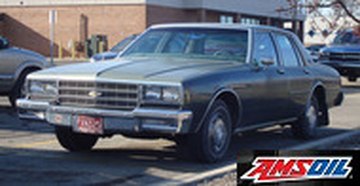
Lubrication Maintenance for the 1981 Chevrolet IMPALA 3.8L
Maintaining a vehicle from the early 1980s requires a proactive approach to fluid management and mechanical inspection. For the 1981 Chevrolet IMPALA equipped with the 3.8L engine, consistent attention to lubrication is a fundamental aspect of long-term ownership. Because older engines may exhibit different sealing characteristics than modern counterparts, understanding how to monitor and respond to changes in lubricant condition is essential for preserving engine health.
Monitoring Fluid Integrity and Potential Seepage
One of the most effective ways to manage an aging engine is through regular visual inspections of the lubrication system. Rather than waiting for a significant event, owners should periodically check for signs of fluid seepage or leakage around the engine block and associated components. Over time, gaskets and seals can undergo changes in elasticity due to heat cycles and age.
When performing these checks, look for:
- Dampness or oily residue on the exterior of the engine surfaces.
- Evidence of fluid pooling in the lower areas of the engine compartment.
- Discoloration on surrounding components that may indicate a slow drip.
It is important to note that finding a small amount of seepage does not always indicate an immediate failure, but it does serve as a signal to monitor the situation more closely. If you notice a sudden increase in fluid loss or see fresh puddles under the vehicle, these symptoms warrant a thorough investigation to identify the source and determine if a repair is necessary.
Observing Changes in Lubricant Condition
Beyond external leaks, the condition of the oil itself provides valuable information about the internal state of the 3.8L engine. Monitoring how the lubricant behaves can help an owner stay ahead of potential issues. For instance, a significant change in the color or consistency of the oil may indicate that it is no longer performing its intended role effectively.
If you notice unusual odors near the engine during operation, or if there are changes in how the engine sounds while idling or under load, these can be associated with various lubrication factors. Similarly, any unexpected increase in the amount of oil required to reach the proper level between service intervals should be investigated. While symptoms like these can have multiple causes, they are important indicators that the vehicle's maintenance needs may be shifting.
Prioritizing Maintenance Based on Current Condition
For owners of a 1981 Chevrolet IMPALA, effective maintenance is often more about reacting to the actual condition of the vehicle than following a generic age-based timeline. Because every vehicle has been subjected to different operating environments and driving habits, establishing a baseline for your specific engine is highly beneficial.
If you have recently acquired the vehicle or do not have access to a complete service history, your first priority should be to document the current state of all fluids and mechanical components. Reviewing any available repair records can help you distinguish between routine maintenance and previous repairs that might require follow-up. Once a baseline is established, you can prioritize tasks based on what the vehicle actually needs—such as addressing an active leak or investigating a change in fluid consumption—rather than replacing parts simply because they are decades old.
This condition-based approach allows for more efficient ownership. It helps distinguish between necessary preventive maintenance and unnecessary component replacement, ensuring that resources are directed toward the areas that will most impact the vehicle's continued operation.
Managing Aging Engine Components
As a vehicle reaches higher decades of service, certain peripheral components require closer attention during routine inspections. While the engine oil is central to lubrication, other parts of the engine compartment play supporting roles in maintaining overall system health.
If equipped, inspect accessible drive belts for signs of deterioration such as cracking, glazing, or fraying. Similarly, if the vehicle is present with various rubber hoses, check them for excessive softness, hardening, or visible cracks. Maintaining these components helps prevent secondary issues that could lead to overheating or other mechanical stresses. Furthermore, ensuring that electrical connections and wiring are secure and free from significant corrosion can prevent intermittent issues that might otherwise complicate engine performance.
The Role of Clean Lubrication in Engine Longevity
Engine oil performs several vital roles that go beyond simple lubrication. It acts as a medium for heat management, helping to carry thermal energy away from high-friction areas within the engine. Additionally, modern lubricant formulations are designed to provide resistance against oxidation and to help manage the buildup of deposits.
Maintaining clean oil is essential because contaminants can gradually degrade the fluid's ability to protect internal surfaces. Some high-mileage oil formulations contain additives intended for use in aging engines, including seal-conditioning additives that may assist in maintaining the integrity of older gaskets. Regardless of the specific formulation used, the primary goal remains the same: ensuring the lubricant maintains its chemical stability and physical properties throughout its service life.
Practical Guidance for BUYING ENGINE OIL for your 1981 Chevrolet IMPALA 3.8L
When it is time to replenish your engine's lubrication, the most important step is to ensure the product you select matches the specific requirements of your application. Because different engines have unique needs regarding fluid thickness and additive packages, you should never rely on general automotive knowledge or assumptions based on the vehicle's age.
To make an informed purchase for your 1981 Chevrolet IMPALA 3.8L, follow these steps:
- Match the Application Information: Refer directly to the vehicle-specific oil viscosity and application information provided on this webpage. This is the most reliable way to ensure you are using the correct grade for your engine.
- Verify API Certification: Check the product label to ensure the oil meets current industry standards for quality and performance.
- Consider Formulation Types: Depending on your specific needs, you may choose between conventional, synthetic blends, or full synthetic oils. If your engine shows signs of higher mileage, you might also consider high-mileage formulations that include specialized additives.
- Inspect the Label: Always read the fine print on the container to confirm that the viscosity and service ratings align with the information displayed in your vehicle's documentation.
By strictly adhering to the application-specific data provided for your 3.8L engine, you can ensure that your lubrication choices support the continued operation of your Chevrolet IMPALA.